Qinghai Golmud: Complete Travel Guide to Attractions, Transportation
Discover Golmud, Qinghai, the gateway to the Qinghai-Tibet Plateau, renowned for Qarhan Salt Lake, the Kunlun Mountains, and breathtaking desert landscapes. Explore top attractions, travel tips, local culture, and unforgettable high-altitude adventures.
Golmud is a county-level city in Haidong Mongol and Tibetan Autonomous Prefecture of Qinghai Province, China. It is the second largest city in Qinghai Province and the third largest city on the Qinghai-Tibet Plateau. The city has 33 ethnic minorities, among which the largest populations are the Mongols, Tibetans, and Huis. Geermu County is located within the western part of Haidong Prefecture in Qinghai Province.Although officially a 'city', the built-up area of Golmud County is only 72 square kilometers, while the total area of the county is 124,500 square kilometers. The town of Golmud City itself is situated at an altitude of 2,809 meters (9,216 feet). It was built along the Golmud River and named after it.
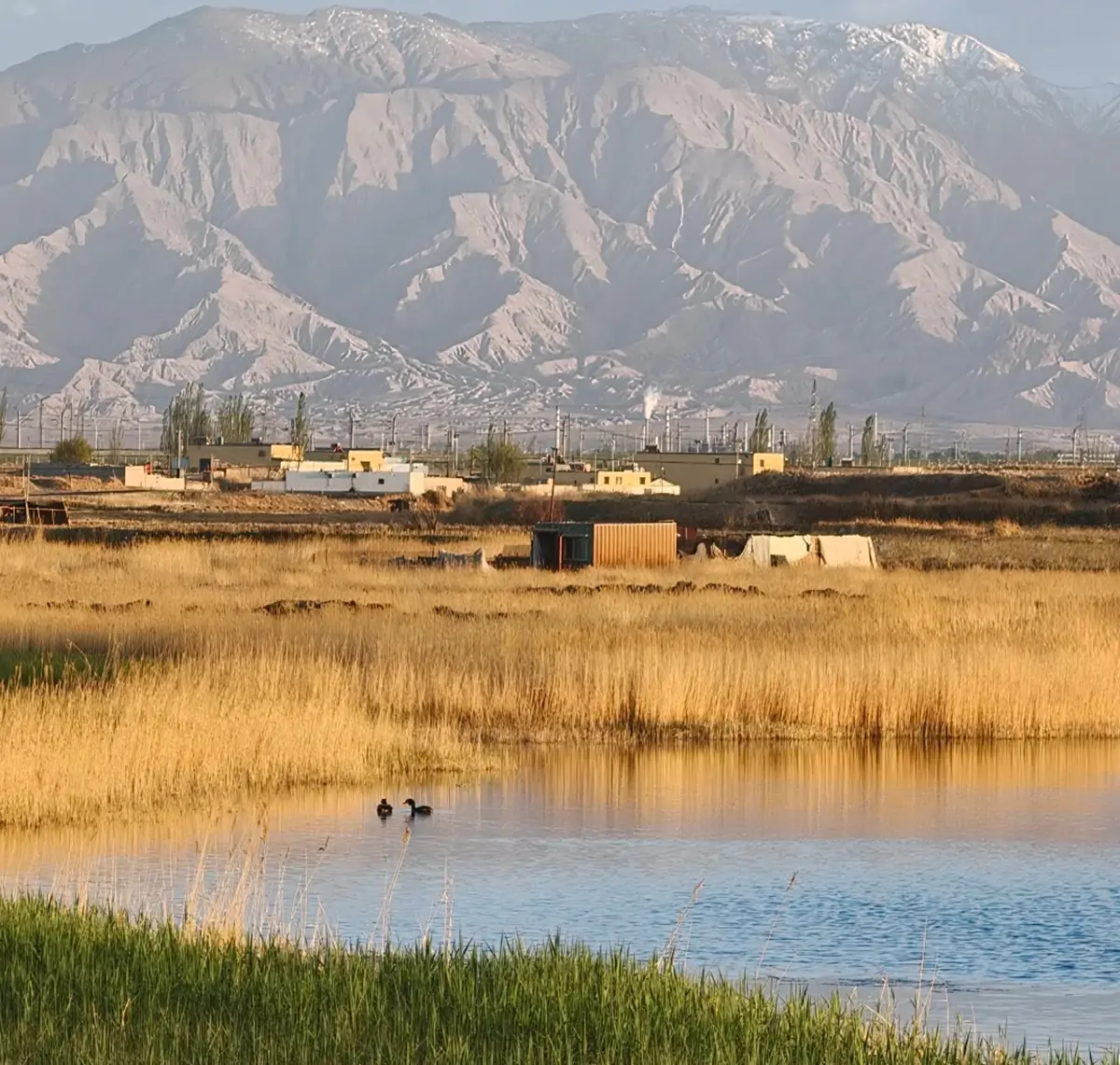
Golmud has a cold and arid climate. Winters are long and cold, while summers are warm. Precipitation is extremely low, with an annual rainfall of only 45 millimeters (1.77 inches). There are just 28 days of precipitation throughout the year, mostly concentrated in summer. The average relative humidity is only 32%, and it remains below 40% for all months.
Popular attractions
Golmud is located in Haidong Mongol and Tibetan Autonomous Prefecture, Qinghai Province. It serves as an important gateway to the Qinghai-Tibet Plateau and is a core node for self-driving tours along the Qinghai-Gansu Grand Ring Route and the Qinghai-Tibet Railway line. The local tourism resources mainly include salt lakes, snow-capped mountains, uninhabited areas, plateau ecosystems, and Kunlun culture. Unlike traditional urban tourism, this destination is more suitable for tourists who enjoy natural scenery, photography, and adventure.
Charkhan Salt Lake
Charkhan Salt Lake is the most famous attraction in Golmud and also China's largest salt lake. Located in the eastern part of the Qaidam Basin, it covers an area of over 5,800 square kilometers and is renowned for its vast salt flats, emerald-green waters, and breathtaking desert landscapes.
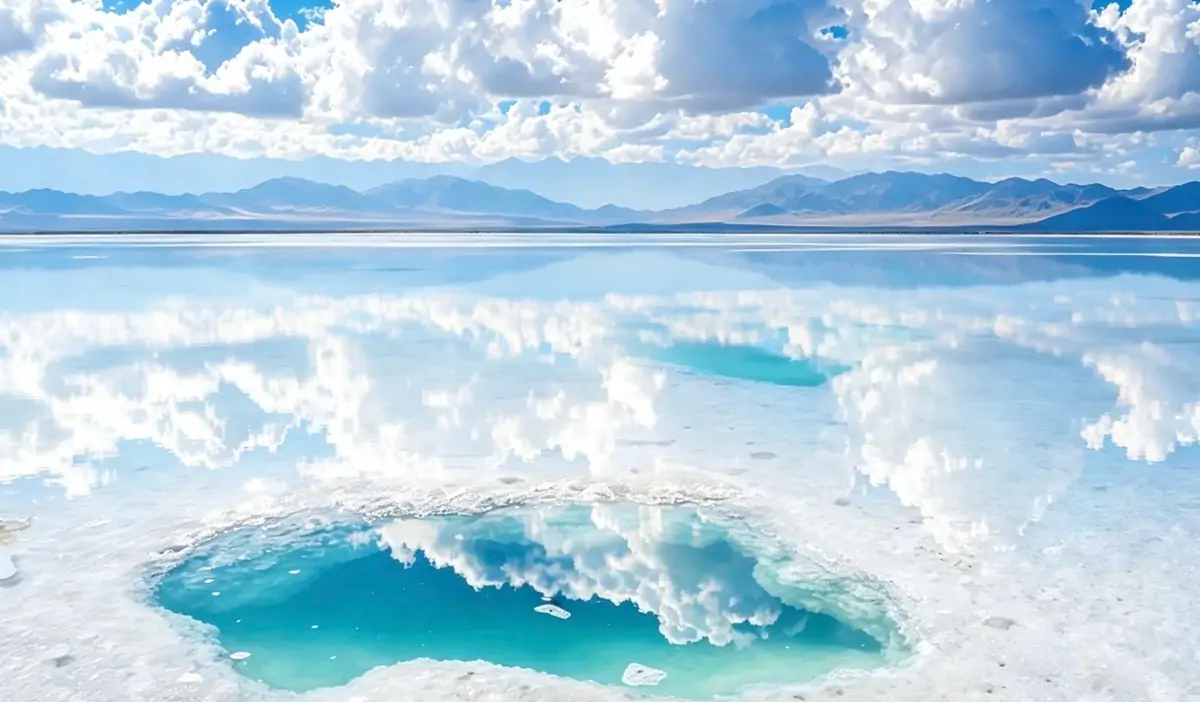
One of the lake's most iconic features is the 30-kilometer-long Salt Bridge, an extraordinary road spanning across the salt flats. Visitors can also admire unique natural salt formations, clear salt crystals, and mirror-like reflections, which create stunning photographic opportunities, especially on calm days. The salt lake is dotted with salt flowers of various shapes, crystal-clear and refracting sunlight to display magical colors, making it a paradise for photography enthusiasts.
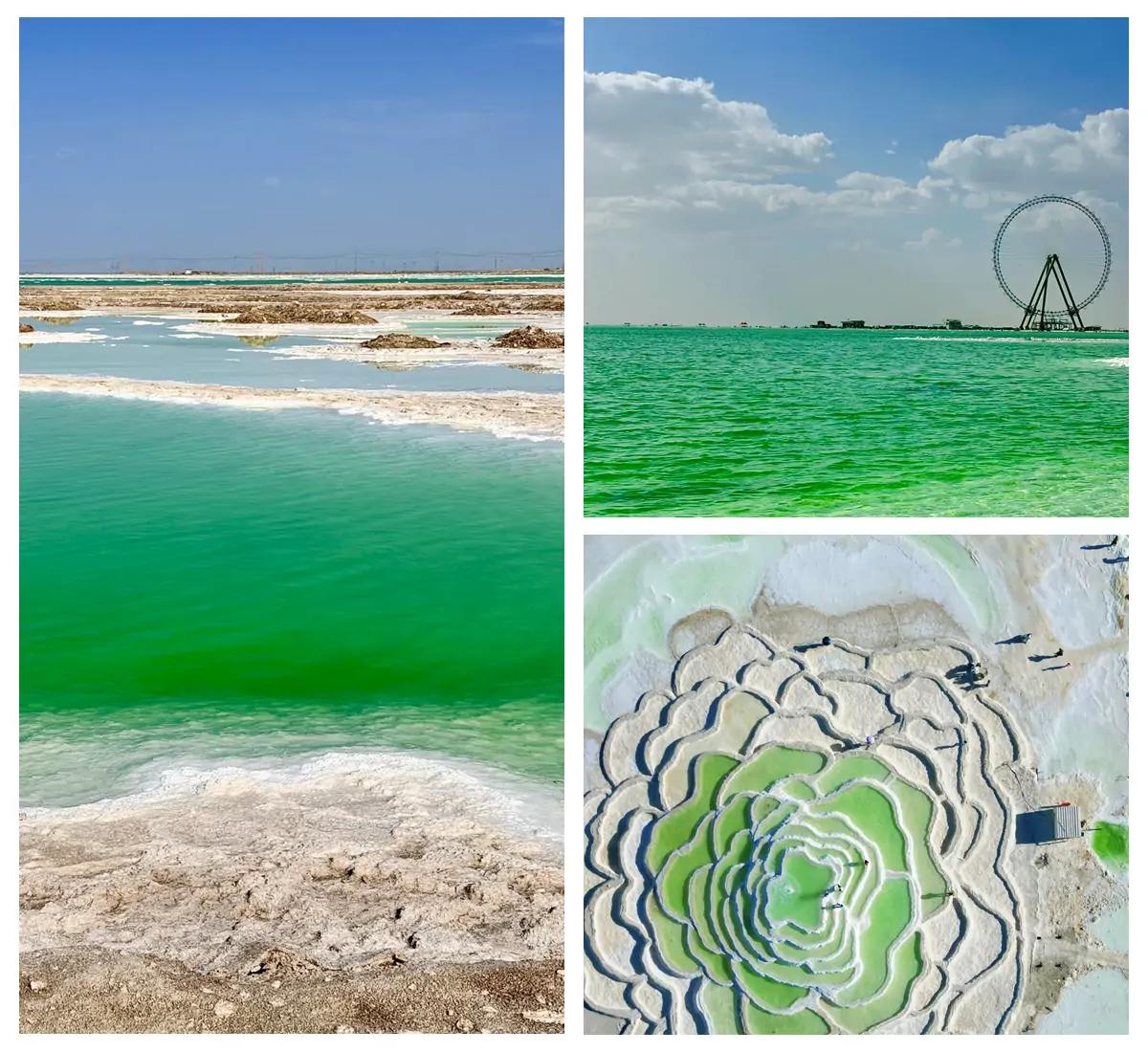
Charghan Salt Lake, renowned for its unique landscapes, is often hailed as one of China's most impressive 'Sky Mirror' destinations. The best time to visit is from May to October, when the weather is pleasant and the salt lake's colors are most vivid. Most travelers spend 3 to 5 hours exploring the area, making it an ideal stop on the Qinhai-Gansu Grand Loop or a journey to Tibet.
Kunlun Pass
Kunlun Pass is one of the most famous landmarks along the Qinghai-Tibet Highway and Qinghai-Tibet Railway. Located at an altitude of approximately 4,767 meters (15,640 feet), it marks the gateway to the legendary Kunlun Mountains, which are traditionally known as the "Ancestral Mountains of All Mountains" in Chinese culture. For travelers journeying overland from Qinghai to the Kekexili region and Tibet, this is an essential pass. Standing at the pass, which is around 4,768 meters above sea level, one can see undulating, fragmented hills, boundless grasslands, monuments, and numerous moraines.
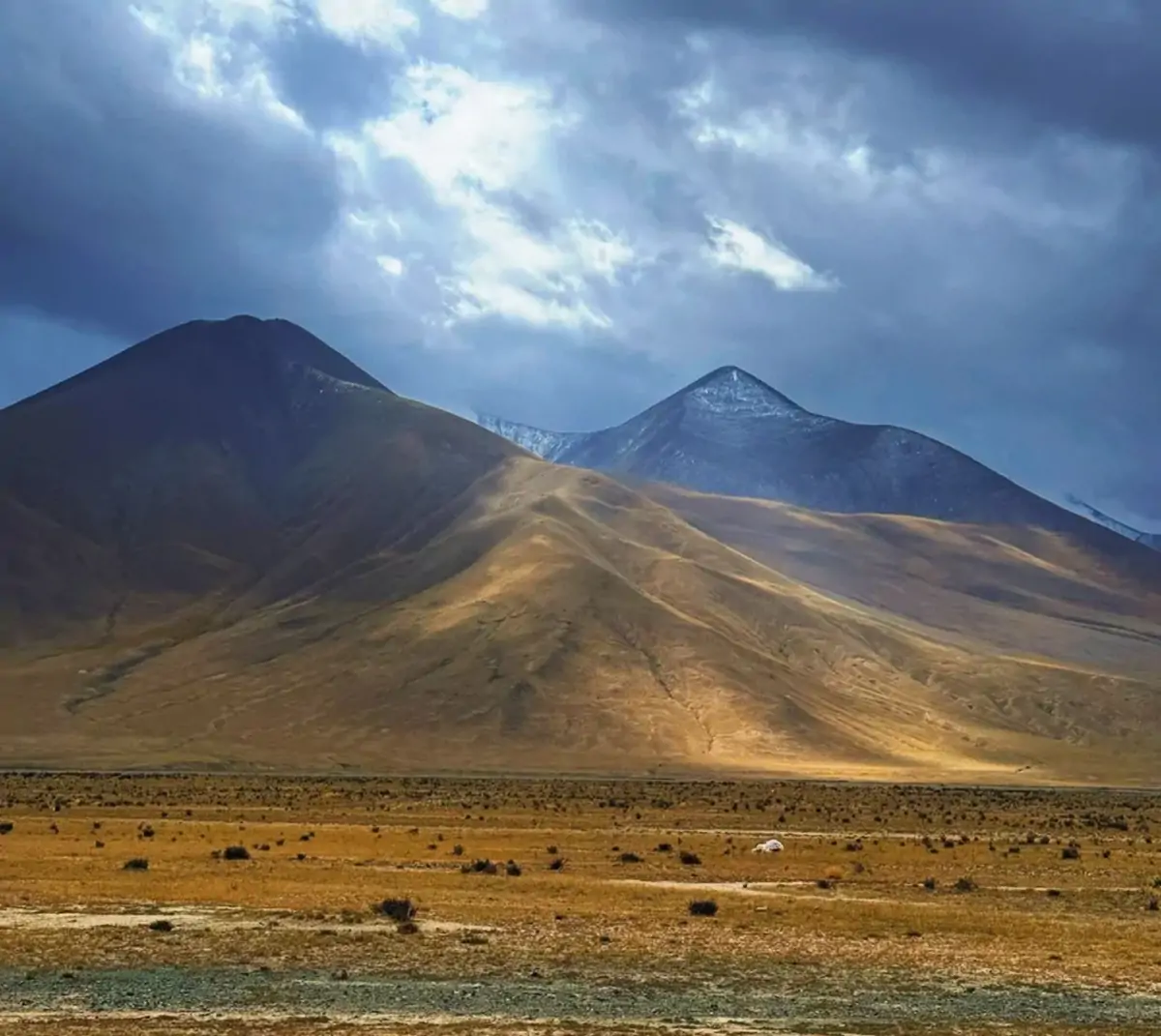
The recommended best time to visit is from May to September, when road conditions are generally good and the surrounding mountains are most picturesque. Due to the high altitude, visitors need time to acclimatize, avoid strenuous activities, and stay well hydrated. Most travelers stop at the mountain pass for 30 to 60 minutes before continuing on to Kekexili, Yuzhu Peak, or Lhasa.
Kekexili National Nature Reserve
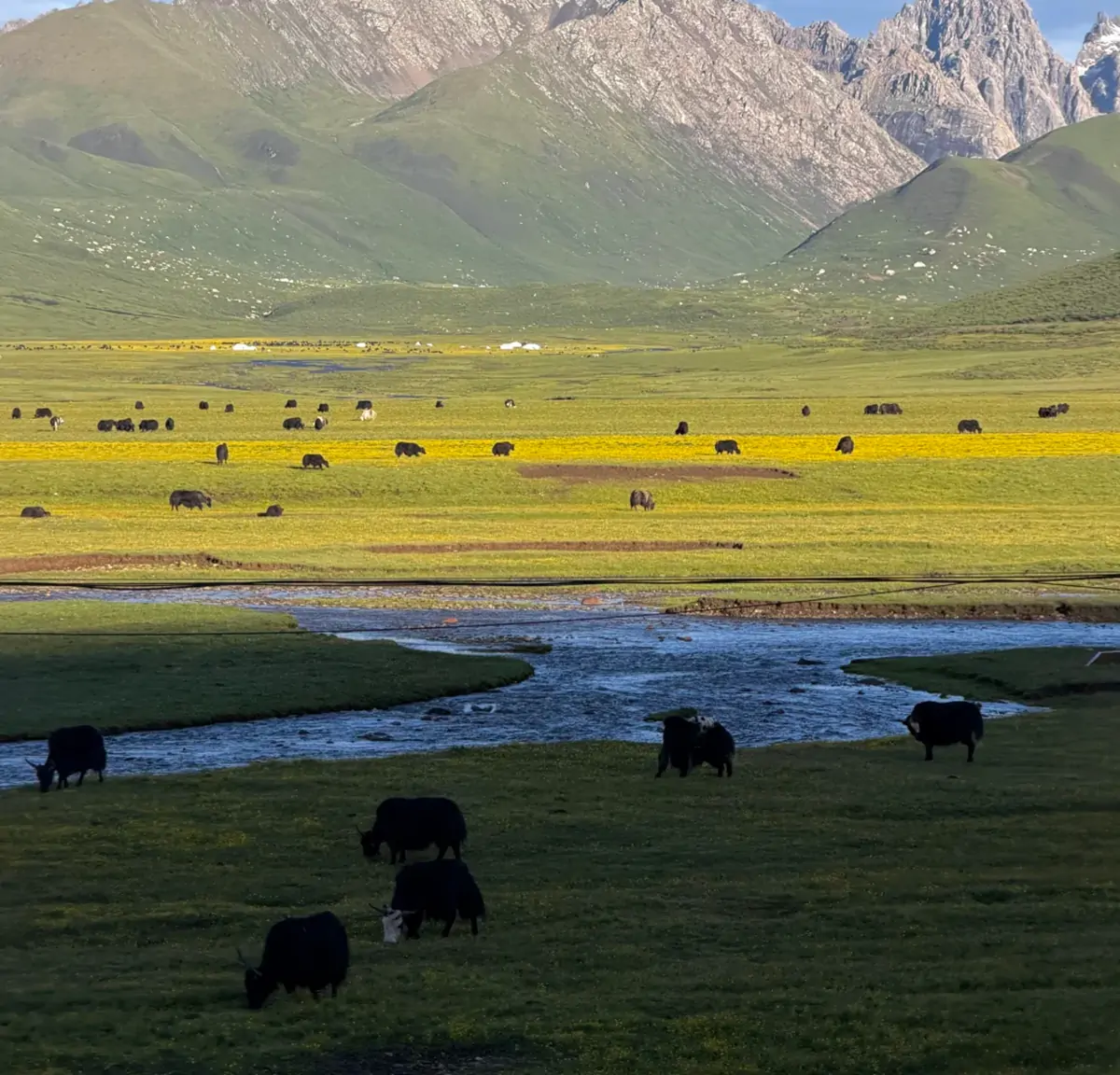
The Kekexili National Nature Reserve is located in Tanggula Mountain Town, Geermu City, approximately 251 kilometers from the city center. It is one of China's largest, highest-altitude, and most wildlife-rich nature reserves. The Sonam Dajie Protection Station is the first civilian-run protection station in the Qihéer area and a core location where tourists can legally get close to Kekexili. This region is a habitat for various rare and endangered wild animals such as Tibetan antelopes, wild yaks, Tibetan wild asses, and white-lipped deer.
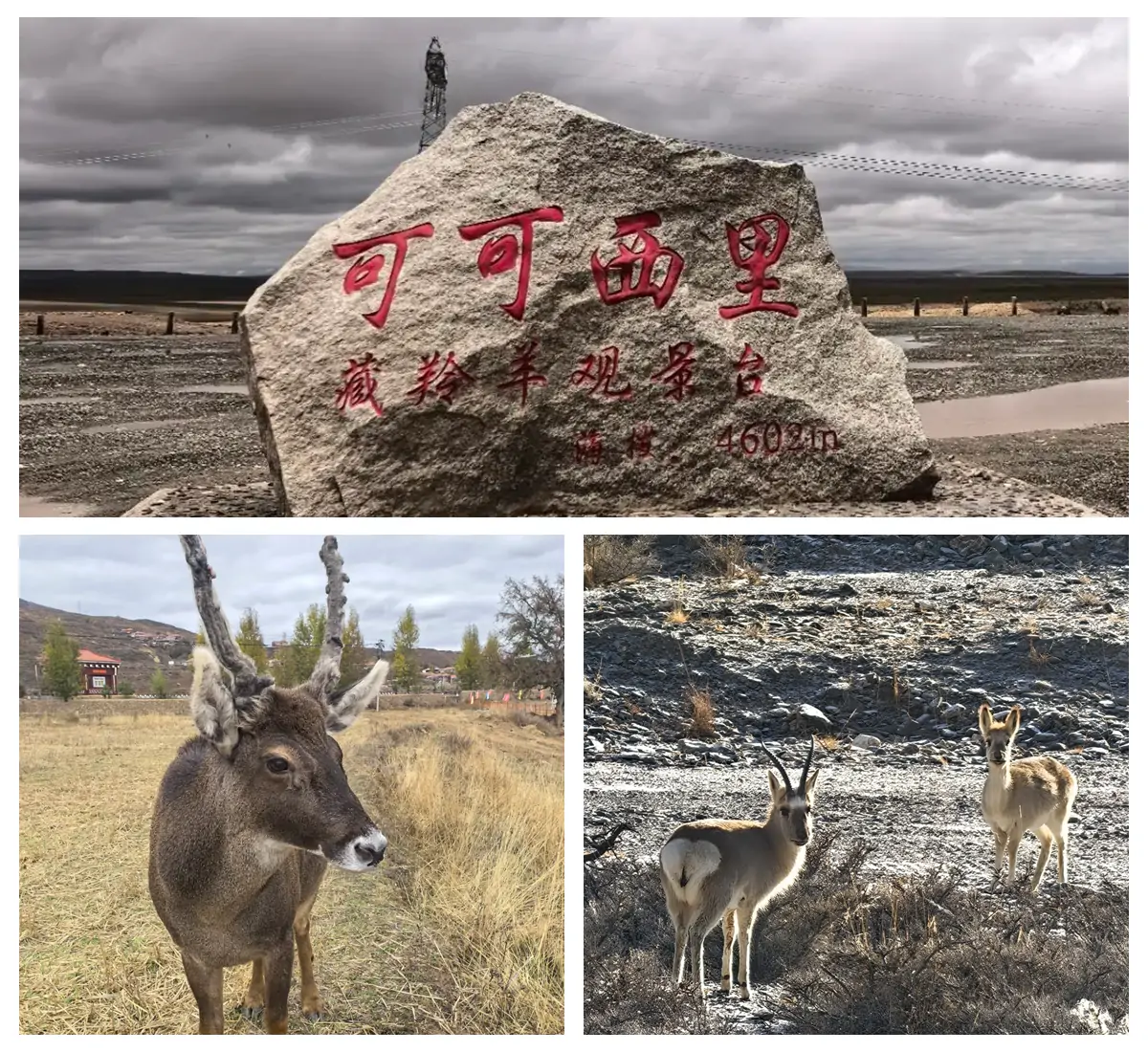
It should be noted that private entry into the core area of Kekexili is strictly prohibited. Tourists are advised to visit only the designated areas around the protection stations.
The Poplar Forest Nature Reserve
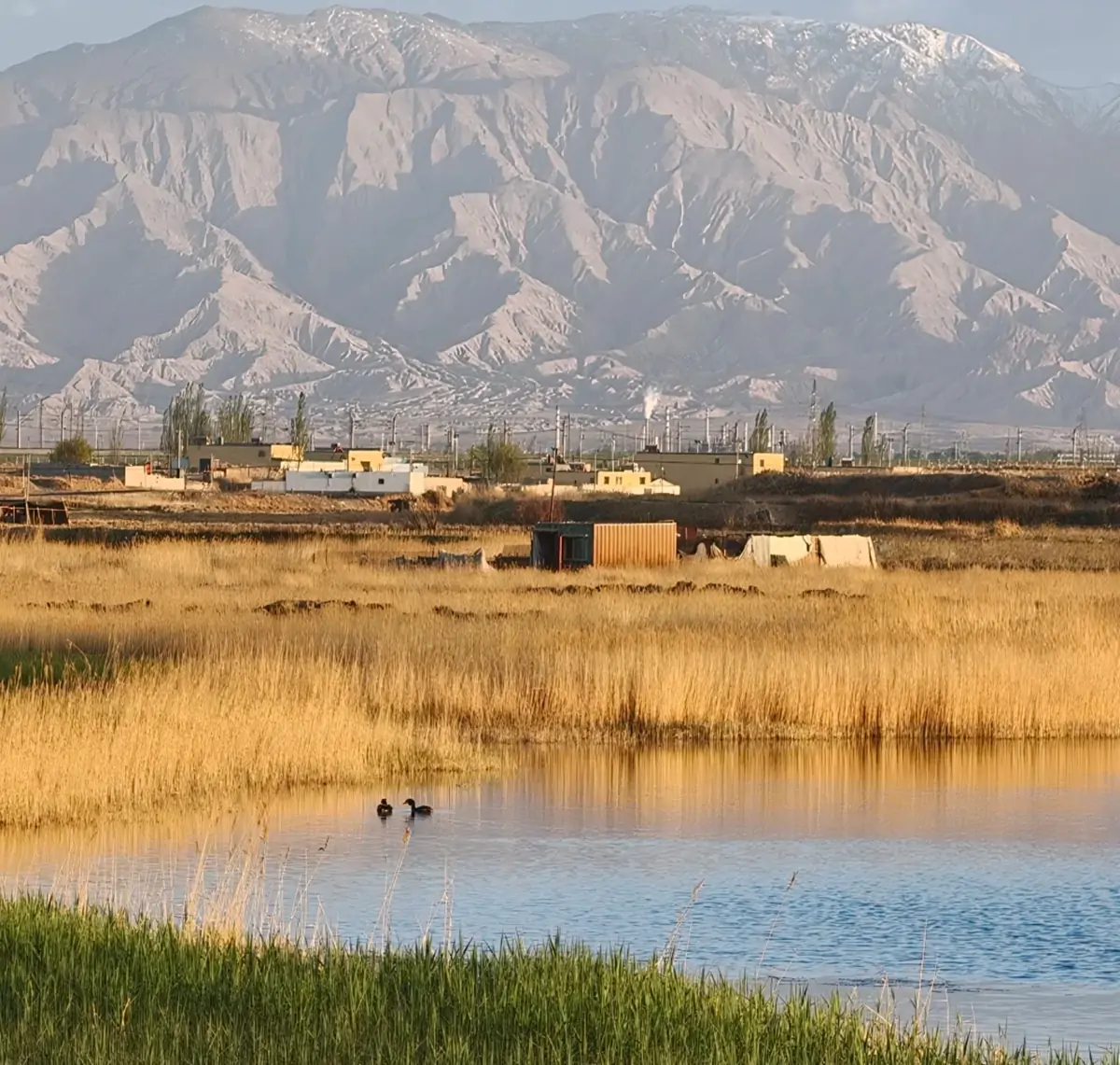
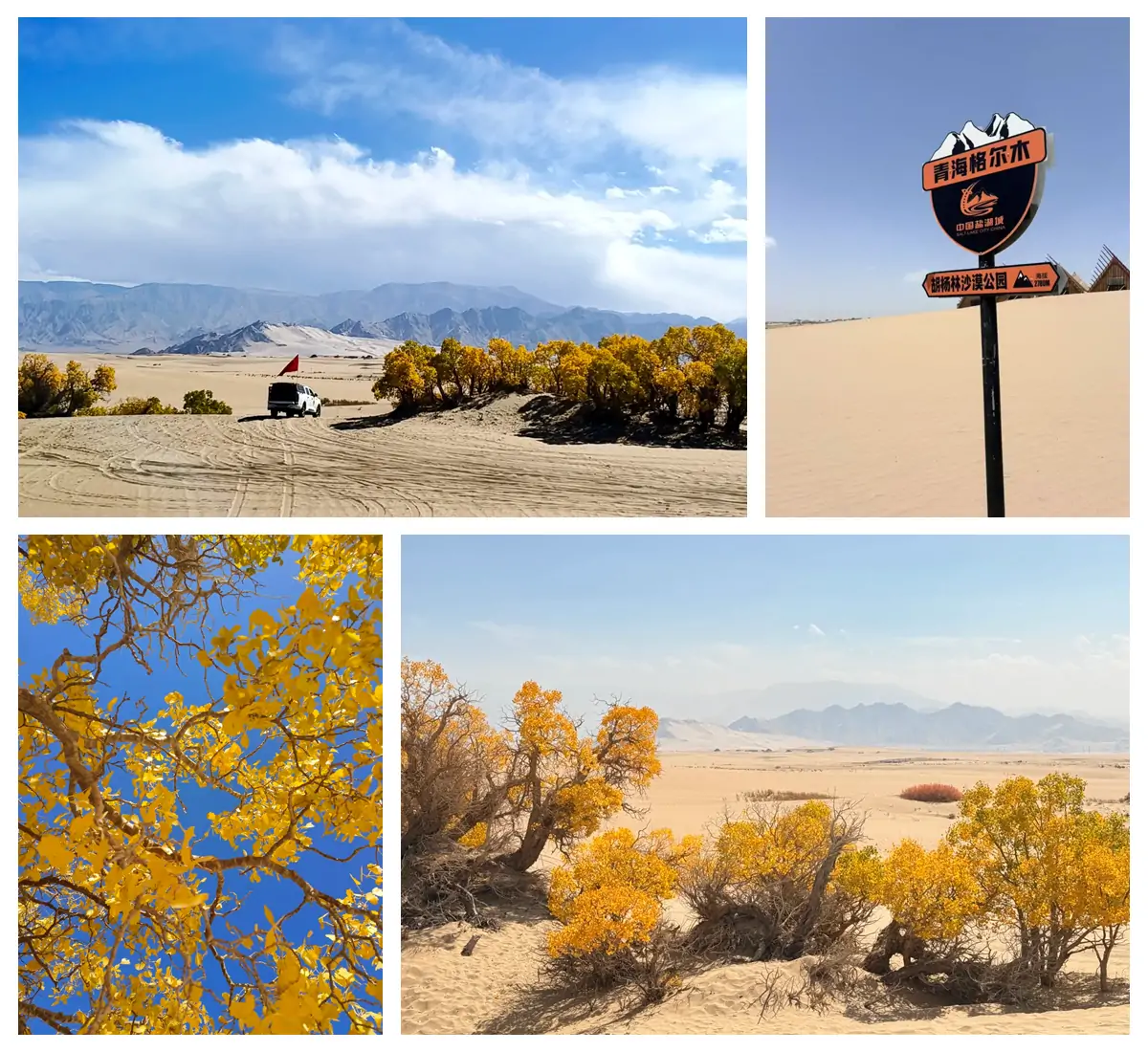
The Golmud Poplar Forest is located in Tuolahai Pastoral Community, Guolemude Township, Golmud City, approximately 40 kilometers from the city center. It is the world's highest-altitude poplar forest. This poplar forest grows between deserts and salt lakes, covering a total area of about 4,200 acres. The poplar tree is renowned for its saying, 'It lives for a thousand years, stands for a thousand years after death, and remains undecayed for a thousand years after falling.' In the forest, withered trees of various shapes intertwine with vibrant new branches, exuding a sense of vicissitude while showcasing tenacious vitality. Additionally, it is a habitat for numerous birds, and the tranquil environment is also highly suitable for hiking and photography.
Yuzhu Peak
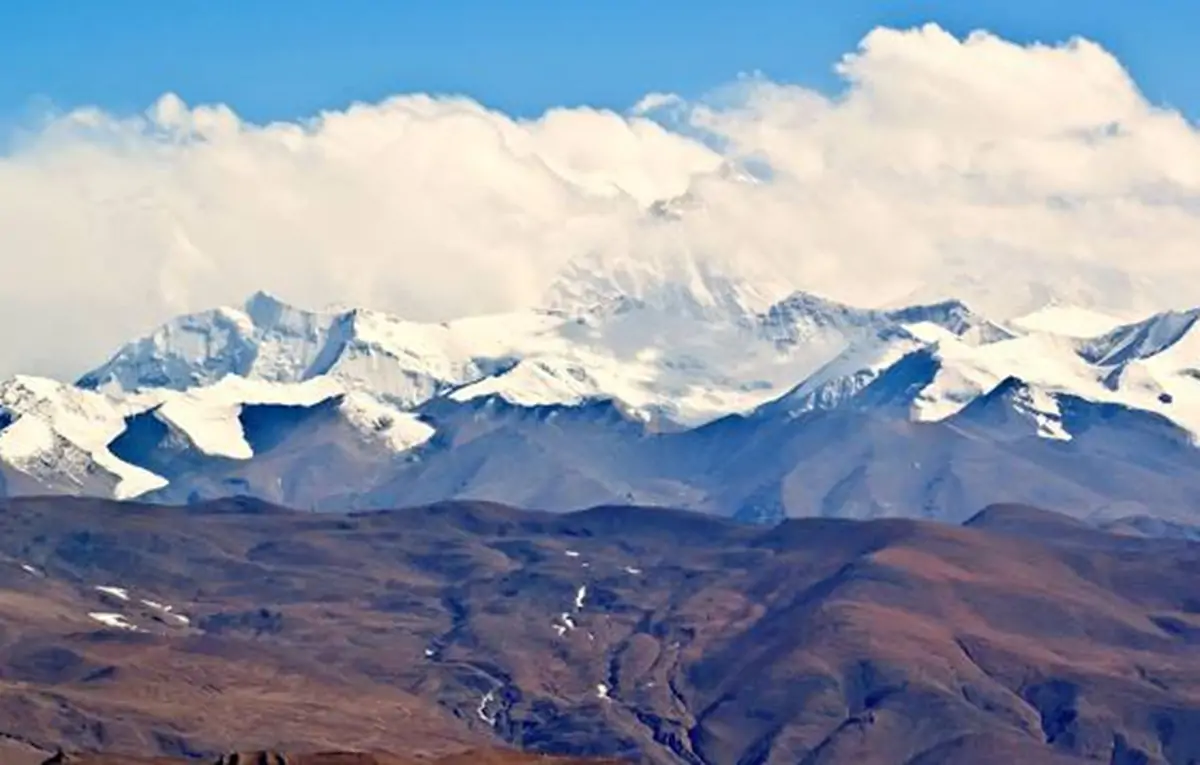
Yuzhu Peak also known as Kekusaijimen Peak, is located 10 kilometers east of the Kunlun Pass and approximately 160 kilometers from Golmud City. With an elevation of 6,178 meters, it is the highest peak in the eastern section of the Kunlun Mountains. Yuzhu Peak has a majestic mountain body, with its summit perpetually covered by snow-capped, and well-developed glacial landforms.
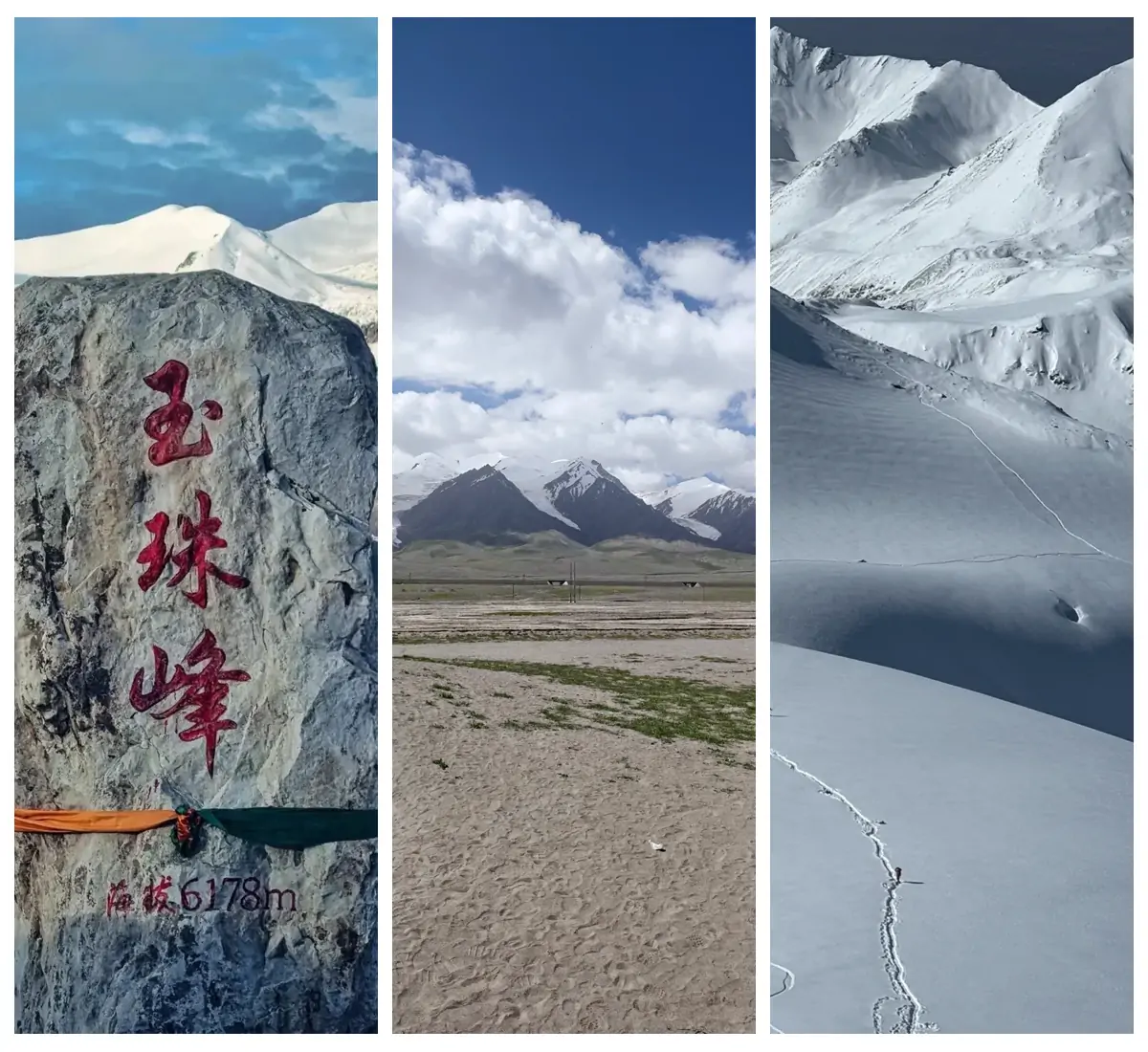
Best Time to Visit Golmud City and Overall Travel
June to September, with July and August being the most comfortable and scenic. During this period, Golmud has moderate temperatures, not excessively hot during the day and cool in the early morning and evening. There is less wind and sand, and road conditions are good, making it suitable for exploring the city, visiting places like Chalhan Salt Lake and Kunlun Pass. If you want to avoid summer crowds, September is also a good choice, with clear weather and fewer tourists.
After October, it starts to get cold and windy, which is less suitable for travel.
What is the connection between Golmud and the Qinghai-Tibet Railway?
Golmud is a crucial core hub city along the entire Qinghai-Tibet Railway and a key demarcation point for the Xining-Lhasa section of the railway. The Qinghai-Tibet Railway is divided at Golmud into two segments: the relatively flat Xining-Golmud section and the high-altitude, cold, and oxygen-deficient Golmud-Lhasa section. All trains entering or exiting Tibet must stop at Golmud to rest and complete technical preparations, making it an indispensable throat node of the entire 'Sky Road'.
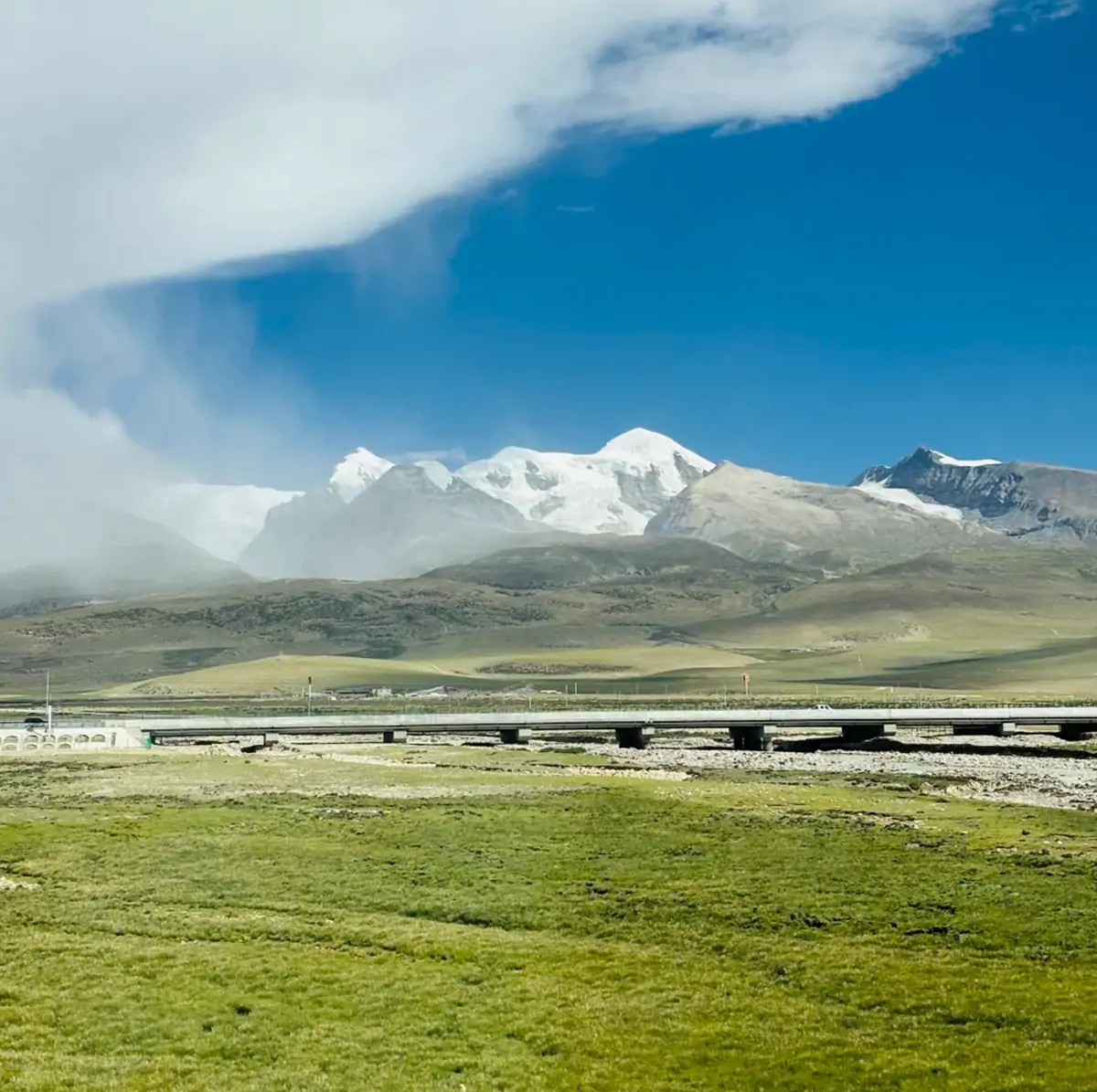
Leveraging the hub advantages of the Qinghai-Tibet Railway, Golmud has not only achieved rapid development in its own urban construction, cultural tourism, and logistics industries but also greatly facilitated personnel exchanges and economic interactions between Qinghai and Tibet. It plays an irreplaceable strategic role in consolidating the border, promoting regional coordinated development, and advancing the social and economic progress of the Qinghai-Tibet Plateau.
How to get to Golmud
✈ Flight
You can choose direct or connecting flights to reach Golmud. Golmud Airport offers direct flights to cities such as Xining, Xi'an, Chengdu, Zhengzhou, and Chongqing, with the most frequent direct flights to Xining, taking approximately 1 hour and 20 minutes per flight. If departing from other cities, you can first fly to hub cities like Xining or Xi'an and then transfer, with the total journey taking about 2-4 hours. This is suitable for travelers seeking efficiency and who prefer not to endure long-distance travel.
🚆Railway
Geermu Station is a core hub of the Qinghai-Tibet Railway and an important stop and maintenance station for trains heading to Tibet. Departing from Xining, high-speed or EMU trains take approximately 4-5.5 hours to reach, starting at 120 yuan, allowing passengers to enjoy desert and snow-capped mountain scenery along the way. Trains departing from cities such as Lhasa, Lanzhou, Dunhuang, Chengdu, Chongqing, Beijing, and Shanghai either directly reach or make a stop in Geermu. All trains heading to Tibet stop here to rest, replace plateau locomotives, and provide oxygen. It is suitable for travelers who enjoy slow travel and wish to experience the scenery of the Qinghai-Tibet Railway.
🚗Self-driving
Self-driving by car is a classic option, starting from Xining and traveling approximately 760 kilometers along the Qinghai-Tibet Highway (G109), with a driving time of about 8-9 hours. The route passes through Qinghai Lake, Tea Card Salt Lake, and Gobi Desert, with gradually increasing altitude and magnificent scenery. Alternatively, one can start from Dunhuang and take the Liuguo Expressway for about 400 kilometers, reaching the destination in approximately 5 hours.
Scenic spots around Qinghai
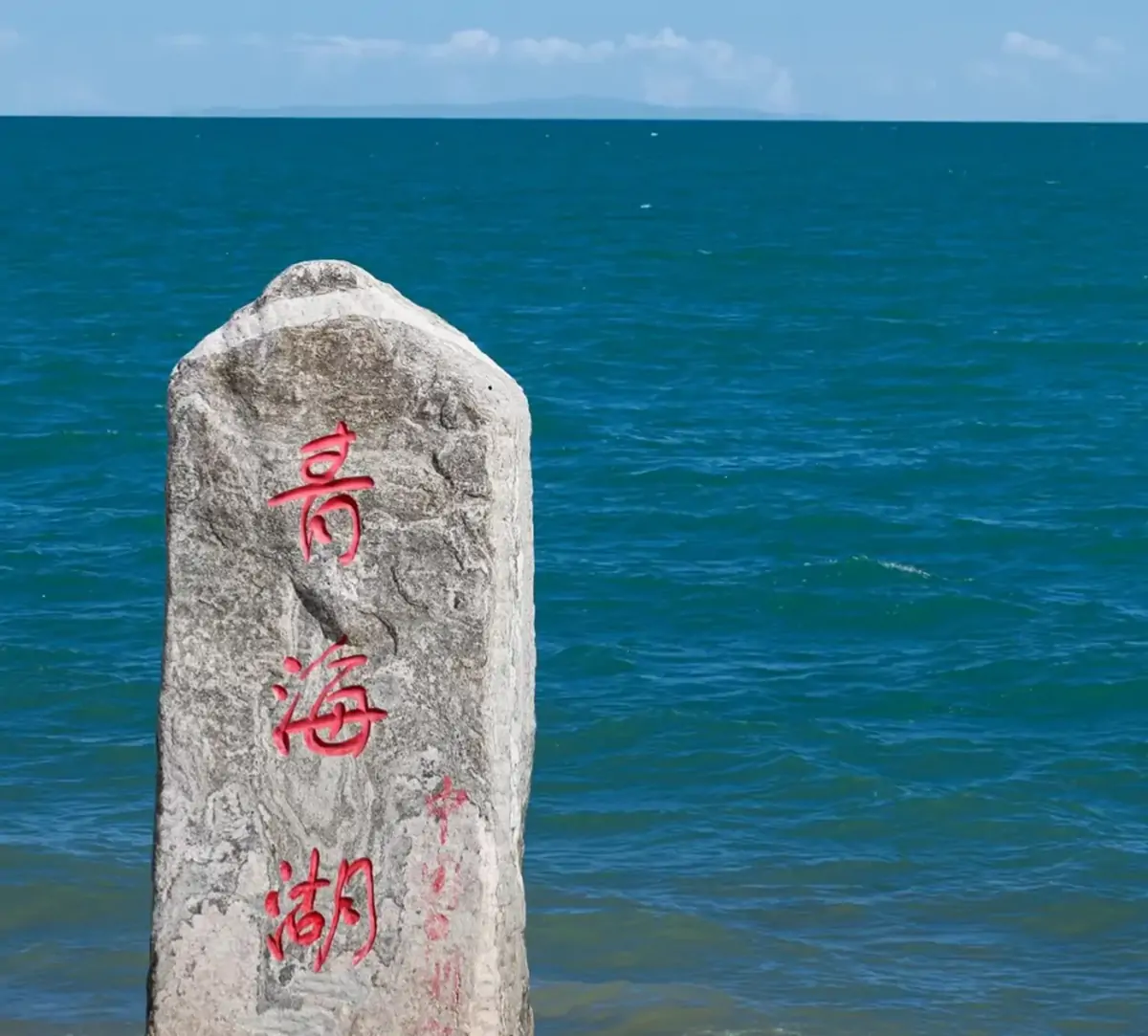
Qinghai Lake
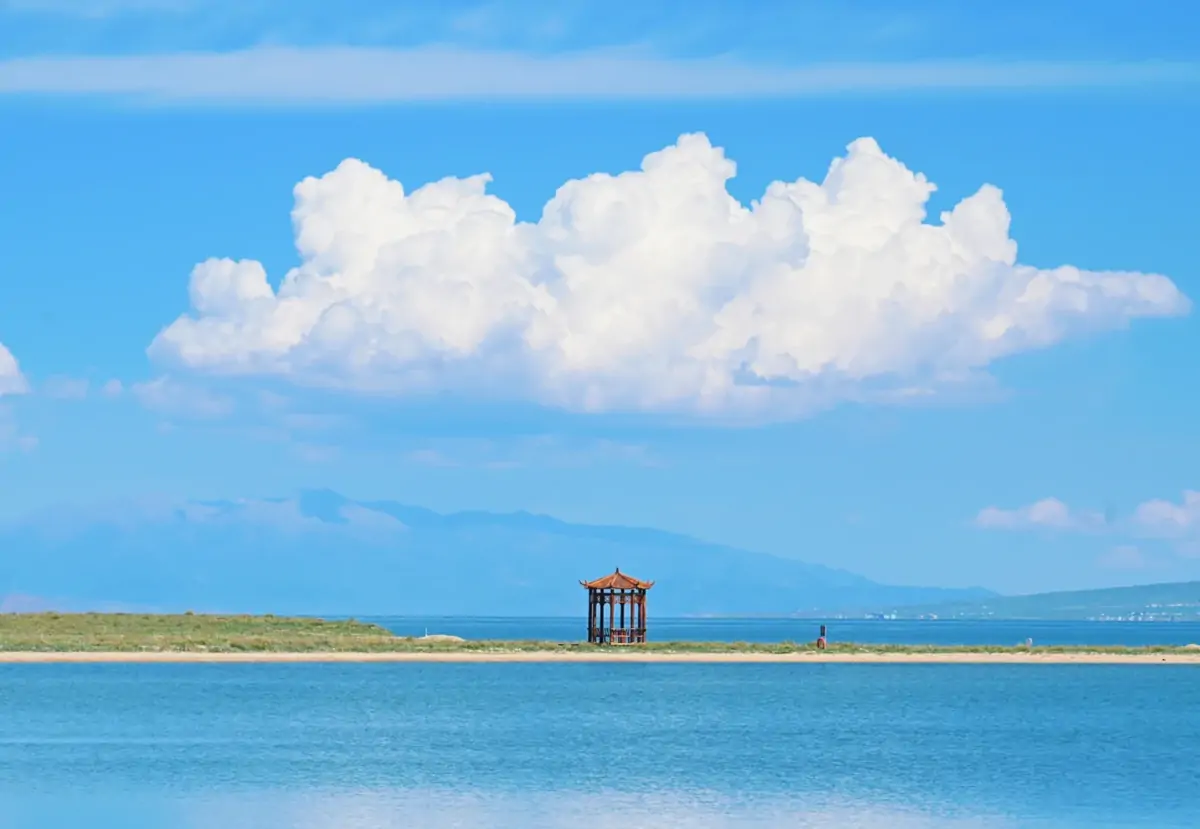
China's largest inland saltwater lake, known as the 'Blue Gem of the Plateau'. The lake surface is vast and deep blue. From July to August, golden rape flowers bloom along the lakeshore, creating a beautiful scene with the lake water, blue sky, and snow-capped mountains. Visitors can drive or cycle around the lake, or take a boat tour to experience the grandeur and tranquility of the plateau lake.
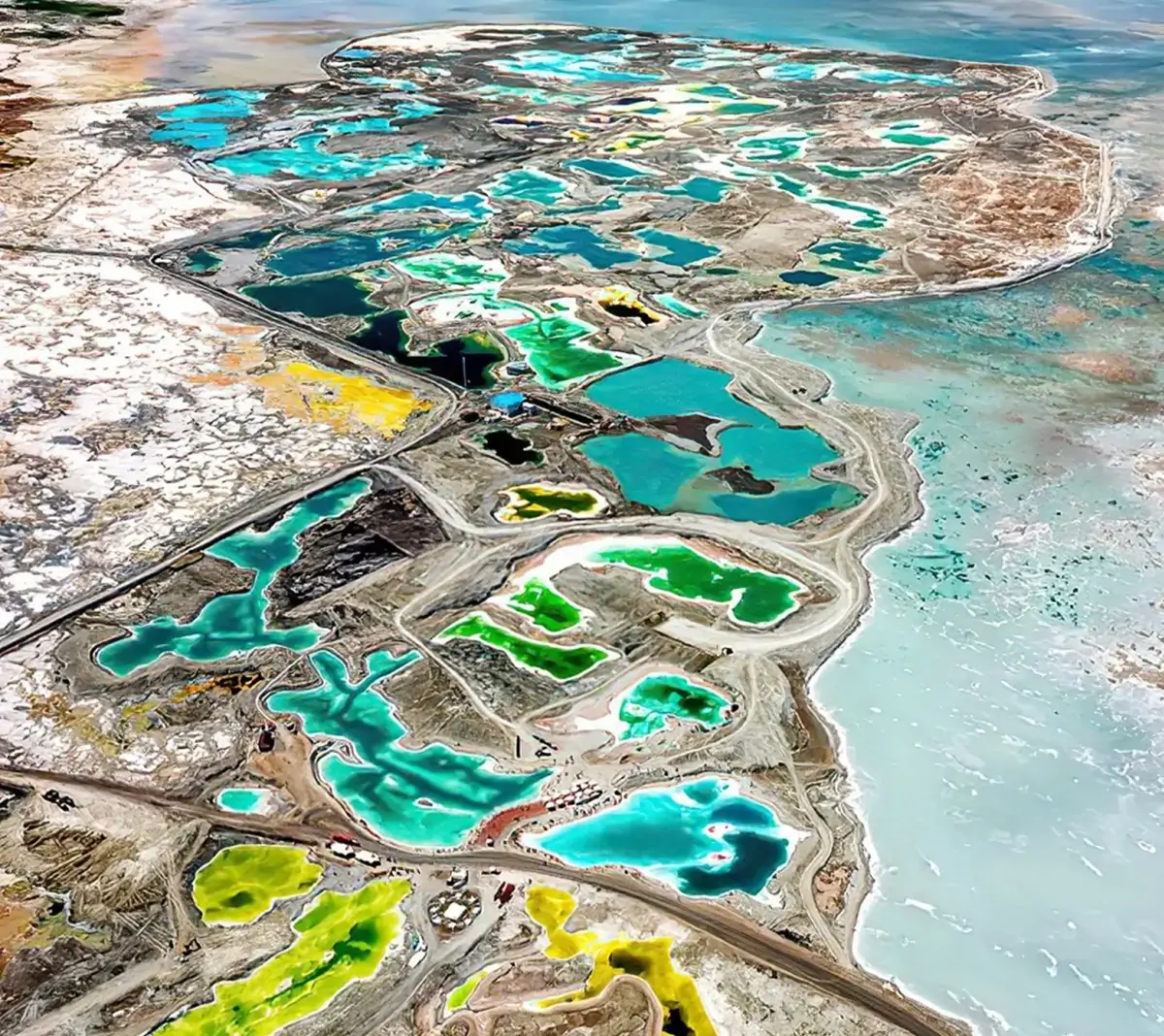
Emerald Lake
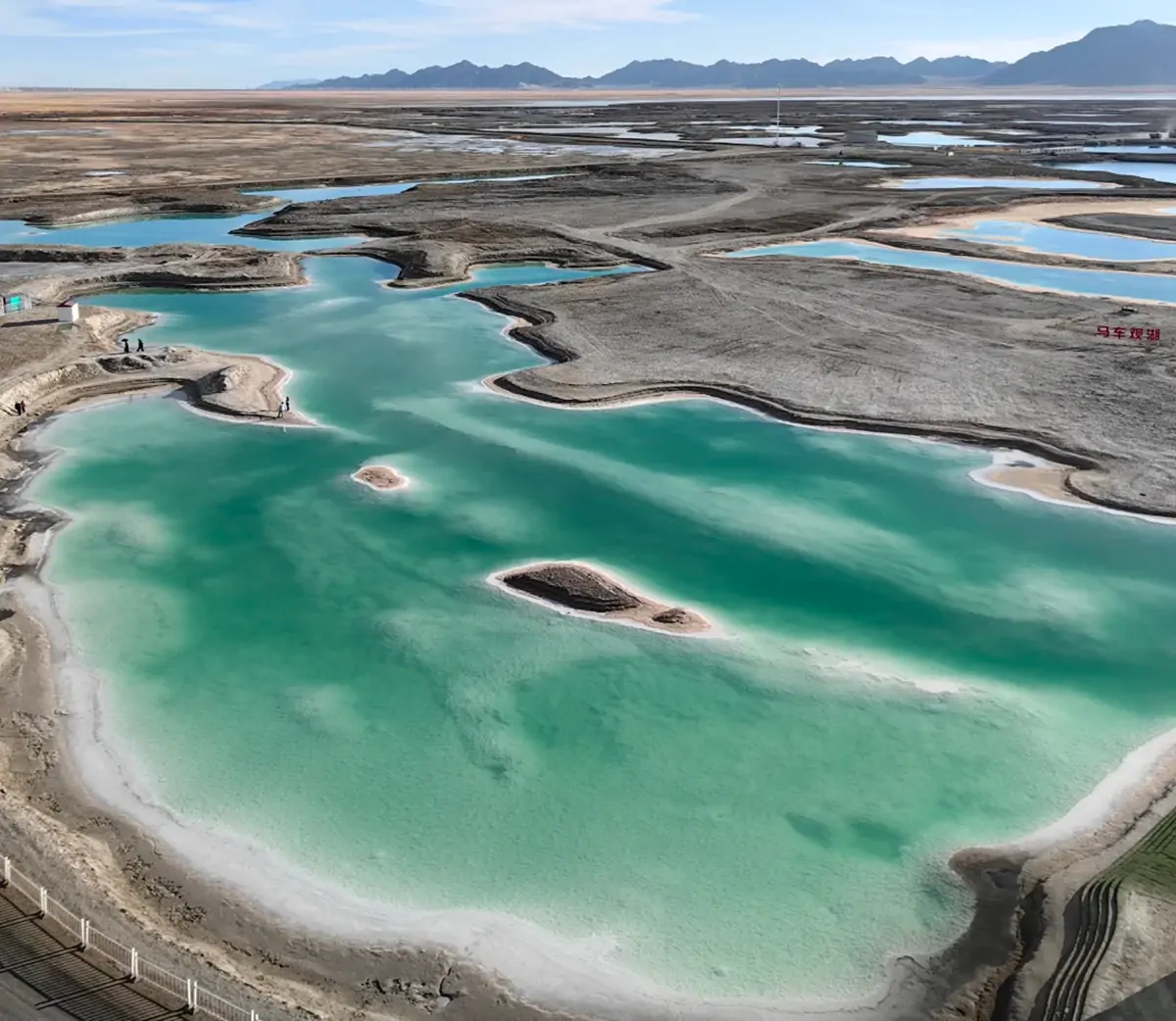
Located in Dachaidan, is composed of multiple salt lakes. The lake water displays a variety of colors such as jade green, mint blue, and milk white due to its varying mineral content. It resembles scattered gemstones, with a calm surface like a mirror that reflects the blue sky, white clouds, and distant snow-capped mountains. With few people and beautiful scenery, it is an excellent spot for photography.
Chaka Salt Lake
Known as the 'Mirror of the Sky', is a natural crystalline salt lake where the white salt flats merge seamlessly with the water surface. On clear days, the sky is clearly reflected, creating an illusion of walking on clouds. Visitors can take a small train deep into the heart of the salt lake. The soft light during late afternoon makes it the best time for capturing reflections.
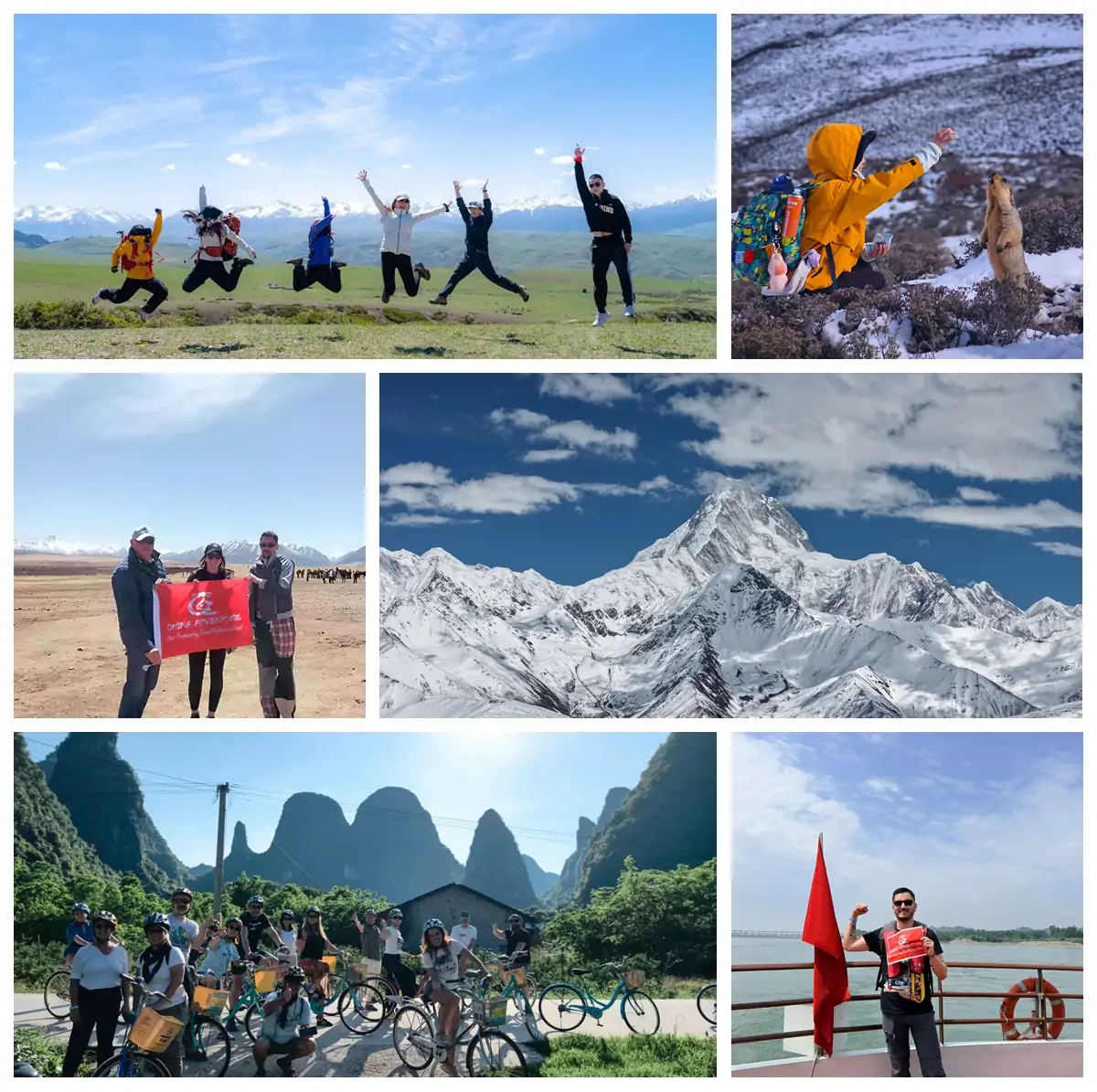
We have many routes for Qinghai, this popular city. If you are interested, you can take a look at our routes:
·6 Days Qinghai Tour to Explore Tibet Region
·8 days Qinghai kekexili and Qaidam basin tour in depth
·6 Days Qinghai Tibet Train tour
Email: [email protected] WhatsApp:+86 15347723823 , ++86 15347723823
Conclusion
Geermu, Qinghai is the gateway to the Qinghai-Tibet Plateau, where magnificent natural wonders and legendary adventures intertwine. Surrounded by the Kunlun Mountains, Chalhan Salt Lake, and the vast Qaidam Basin, Geermu boasts unforgettable landscapes, rich ethnic cultures, and world-famous overland routes. Explore one of China's most awe-inspiring destinations, a paradise for nature, photography, and adventure.
FAQ
What is Golmud famous for?
Golmud is famous for its magnificent desert landscapes, the Qinghai-Tibet Railway, Chaka Salt Lake, Kunlun Mountains, and its status as a gateway to Tibet. It is one of the most important tourist and transportation hubs in western China.
When is the best time to visit Golmud?
The best time to visit Golmud is from May to October each year, when the weather is pleasant and most attractions are open. Summer brings clear skies and vibrant colors to the salt lake, making it an ideal time for self-driving tours and photography.
Is Golmud worth visiting?
Absolutely. Golmud boasts unique natural scenery rarely found elsewhere, including salt lakes, deserts, snow-capped mountains, and vast plateaus. It is an ideal destination for adventurers, photographers, and travelers seeking authentic cultural experiences in western China.
How to get to Golmud?
Golmud can be reached by plane, train, or road. It has regular flights from major cities in China and is an important stop on the Qinghai-Tibet Railway, making it a convenient starting point for overland journeys to Tibet.
What are the main attractions in Golmud?
Popular attractions include Chaka Salt Lake, Kunlun Pass, Qiangtang Nature Reserve, Nache Tai Spring, and Kunlun Holy Spring. These destinations showcase the region's unique geography, wildlife, and high-altitude culture.
Do I need to prepare for the high altitude in Golmud?
Yes. Golmud has an altitude of approximately 2,800 meters. Most visitors adapt well, but staying hydrated, resting, and avoiding strenuous activities on the first day can help alleviate altitude discomfort.
How many days should I spend in Golmud?
The ideal itinerary to explore Golmud's main attractions is two to four days. Travelers planning to continue to Tibet or Qiangtang may want to stay longer to enjoy the scenery and gradually acclimate to the high altitude.
Can Golmud serve as a base for exploring Qinghai?
Definitely. Golmud is an excellent base for exploring western Qinghai, including Chaka Salt Lake, Qiangtang, the Kunlun Mountains, and the Qinghai-Tibet Highway. Many self-driving and adventure routes start from this city.